
5 Ways to Cut Costs on Kiosk Control Panels for Transportation Applications
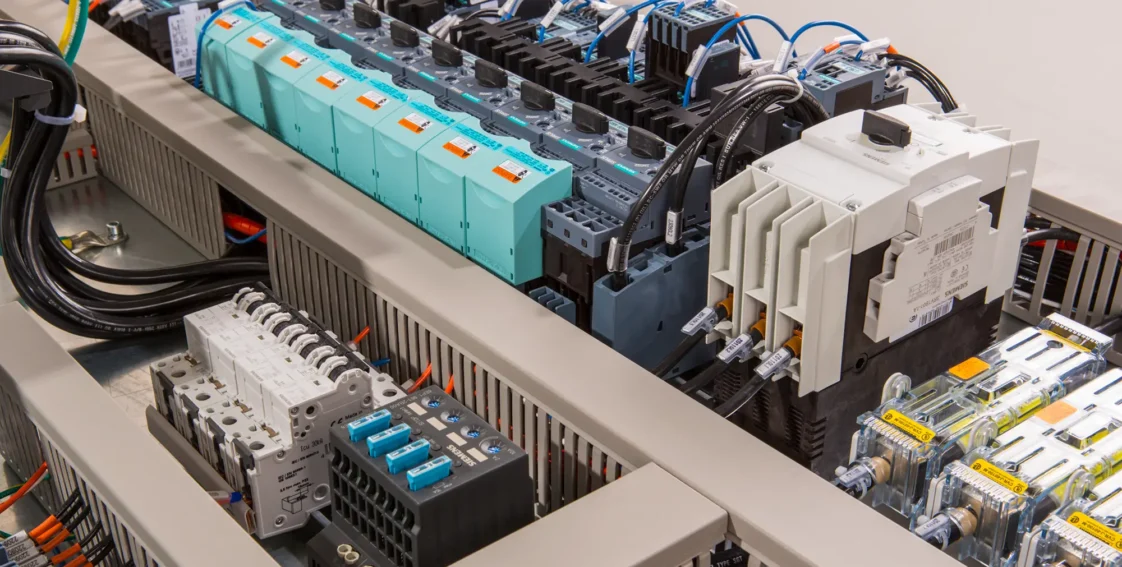
From toll road kiosks to parking garage pay stations and transit fare terminals, unattended transportation kiosks depend on a control panel that runs reliably in tough, exposed environments for years at a stretch.
These systems face temperature swings, vibration, dust, moisture, and power fluctuations while still needing to deliver consistent uptime to travelers and revenue to operators. Building that reliability affordably takes deliberate engineering choices early in the design process. Here are five proven ways to reduce costs without compromising performance.
- Standardize Your Panel Architecture Across Kiosk Types
Many transportation agencies and integrators end up with a different control panel design for every kiosk variant: one for toll lanes, another for parking garages, a third for transit ticketing. Each unique design carries its own bill of materials, its own approval cycle, and its own inventory of spare parts.
Consolidating around a modular, standardized panel platform changes that equation. A common backplane, shared enclosure family, and consistent component set let you scale production volume across multiple kiosk programs instead of fragmenting it. Higher volume on fewer part numbers translates directly into better pricing from component suppliers and lower per-unit assembly costs. It also simplifies field service, since technicians carry fewer spare components across a fleet of kiosks.
- Design for Manufacturability Early, Not After the First Build
Cost reduction is far easier to achieve on paper than after a panel design is finalized and in production. Engaging your contract manufacturer for DFM help opens the door to design for manufacturability improvements that lower assembly time, reduce component obsolescence challenges, and cut rework.
Common DFM opportunities in kiosk control panels include consolidating wire harnesses, selecting connectors that support faster automated assembly, and laying out components so field wiring terminations are grouped logically. These changes rarely affect functionality, but they compound into meaningful savings across a production run of hundreds or thousands of units.
- Choose Components for Total Lifecycle Cost
A toll kiosk deployed along a highway corridor may need to operate for ten or fifteen years with minimal intervention. Selecting the cheapest available component upfront can create expensive problems downstream: premature failures, obsolescence issues, and costly emergency field service calls.
An Approved Vendor List (AVL) built around components with proven thermal tolerance, long-term availability, and documented reliability data protects against these hidden costs. Automotive-grade relays, industrial-rated power supplies, and connectors rated for outdoor duty cycles cost more per unit than commercial-grade alternatives, but they reduce warranty claims significantly over the life of the deployment. Data center and aerospace and defense programs apply this same logic: components are qualified against the full-service life of the system, since a failure in the field costs far more than the price difference at the BOM stage.
- Build in Remote Diagnostics to Reduce Truck Rolls

Sending a technician to a remote toll plaza or parking structure for a routine issue is one of the largest hidden costs in kiosk operation. A control panel designed with remote monitoring capability, whether through simple status LEDs tied to a networked controller or a full diagnostic interface, allows operators to identify and often resolve issues before dispatching a truck.
Food and beverage processing lines and industrial automation equipment have used remote diagnostics for years to cut unplanned downtime, and the same principle applies directly to kiosk fleets. A panel that reports fault codes, power status, and communication health back to a central dashboard turns a same-day emergency service call into a scheduled maintenance visit, or eliminates the visit altogether.
- Partner with an EMS Provider That Understands Regulated and Outdoor-Rated Assembly
Transportation kiosks often need to meet the same rigor as regulated industries like medical devices, particularly around traceability, revision control, and consistent quality across every unit shipped. Working with an EMS partner experienced in these standards, rather than a general-purpose assembler, reduces the risk of costly rework, recalls, or compliance gaps later.
An experienced partner also brings supply chain relationships that smaller or less specialized shops cannot access, helping control component costs even during periods of market volatility. That combination of quality discipline and sourcing leverage is often where the largest cost savings are found, since it protects the investment made in the first four strategies above.
Cutting costs on kiosk control panels comes down to making smart tradeoffs early: standardizing where possible, designing for efficient manufacturing, selecting components built for the full service life of the system, and building in the visibility needed to catch problems before they become expensive. Agencies and integrators who partner with an EMS provider experienced in rugged, outdoor-rated, and regulated applications tend to see the strongest results, both in upfront program costs and in the total cost of ownership over the life of the deployment. For more information on control panel partners with this experience, contact us: https://www.miscontrols.com/contact-us/